Osaka & Kansai Coast · Mount Koya
Day trip to Mount Koya: Okunoin cemetery, Kongobu-ji and the red pagoda
The headquarters of Shingon Buddhism at 800 meters, 1,200 years of monks: a walk among 200 thousand moss-covered graves under cedars to the mausoleum of Kobo Daishi, a vegetarian monks' meal, the largest rock garden in Japan, and a vermilion pagoda 48 meters tall. A night in a monastery is the right upgrade.
A day trip to Mount Koya, the headquarters of the Shingon sect, from Namba in Osaka. You go up by train and cable car, and start the morning with a 2 km walk among the graves of Okunoin to the mausoleum of Kobo Daishi. You come down to the town for a monks' vegetarian meal, continue on foot to Kongobu-ji, to the red pagoda of Danjo Garan and to the Daimon Gate, and from there you go back to Osaka or stay the night in a monastery. Between the sights in the center of town you walk, and you ride a bus three times: from the cable car to the cemetery, from there back to the center, and from the Daimon Gate to the cable car. With separate tickets the day costs about ¥3,990: train and cable car ¥1,430 each way, and three bus rides, ¥500, ¥270 and ¥360. Nankai's digital World Heritage ticket costs ¥3,980, including buses for two days and discount coupons at Kongobu-ji, the Kondo and the Daito, so it pays off by a little. With the Koya express on the way up it costs ¥4,910.
The day on a map
7 stops, in order
- Stops
- 7
- Walking minutes
- 23
- Koyasan Station, then Bus 20 min
- Okunoin Cemetery, then Bus 25 min
- Lunch break in town, then Walk 5 min
- Kongobuji Temple, then Walk 8 min
- Danjo Garan, then Walk 10 min
- Daimon Gate, then Bus 15 min
- Eko-in
The same stops with the same numbers, and the way from stop to stop. On a phone it opens in the app, and that is what you navigate with in Japan. Pin names on the map are in Hebrew.
Getting there: Start at Nankai Namba Station. The Nankai Koya Line runs to Gokurakubashi, and there you change to a 5-minute cable car up to Koyasan Station. On the regular trains, usually with a change at Hashimoto, it is about an hour and 40 minutes to Gokurakubashi, ¥930, and with the cable car ¥1,430 to Koyasan Station. The Koya express, all seats reserved, runs straight to Gokurakubashi in an hour and a quarter to an hour and a half, for example at 07:00 and 08:00, for a surcharge of ¥1,100 with a paper ticket or ¥950 ticketless, through Nankai's online service. The digital two-day 'Koyasan World Heritage Ticket' costs ¥3,980, or ¥4,910 with the Koya express on the way up, and includes the train and cable car round trip, buses on the mountain and coupons. The paper version with the express costs ¥5,200. The JR Pass is not valid here.
Stop 1Train and cable carMust
Koyasan Station: the Nankai line from Namba and the cable car
You start on the train. In the last hour it winds through a forested valley, and then you go up on a steep 5-minute cable car. From the cable car station to the town you ride a bus, because walking on the road is not allowed. With the digital ticket, ¥3,980, the train, the cable car and the buses are included. Get off at the Ichinohashi-guchi stop, or at Okunoin-mae if you only want the far end of the cemetery.
Ride to Ichinohashi bridge
Stop 2Sacred cemeteryMust
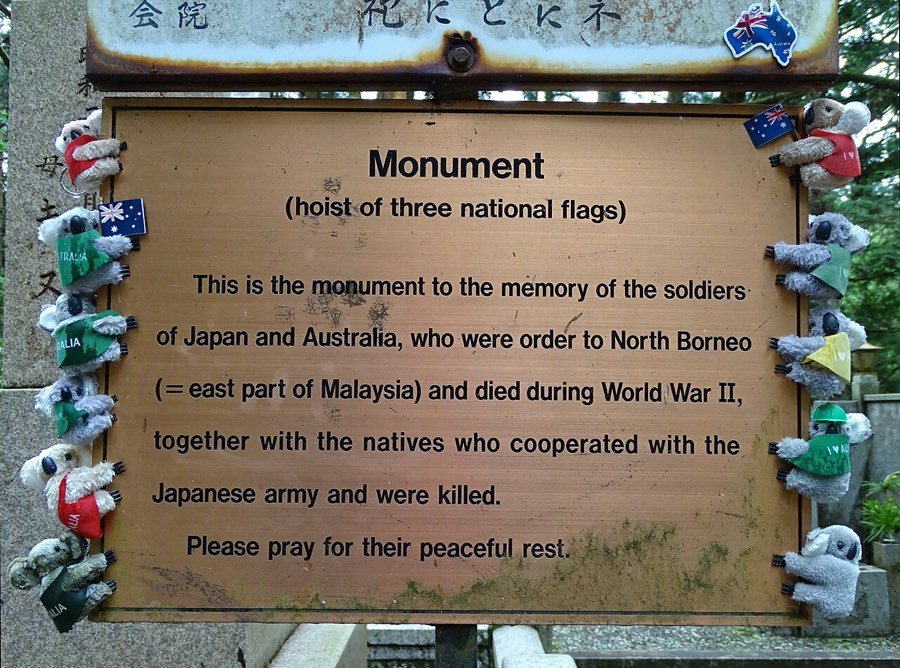
Okunoin Cemetery: 2 km among the graves to the Torodo
Start from Ichinohashi bridge, the traditional entrance, and not from the parking lot. Along the way are 200 thousand gravestones of samurai, shoguns, and also of companies, like the termite-shaped gravestone of a pest-control company. At the end there is a bridge beyond which photography is forbidden, the hall of 10 thousand lanterns (Torodo), and the mausoleum of Kobo Daishi, who according to belief has been meditating there since 835. Free and quiet, and misty in the morning.
Down to lunch in town
Stop 3LunchRecommended
Lunch break in town
You eat the mountain's Buddhist cuisine, shojin ryori: sesame tofu (goma-dofu, considered Koya's invention), dried tofu (koya-dofu), mountain vegetables and tempura, on red trays. This cuisine is completely vegetarian and vegan, but it has no kosher supervision. If you are sleeping at a monastery you eat it there too. All the options are around the Senjuin-bashi junction:
On to Kongobu-ji
Stop 4TempleMust
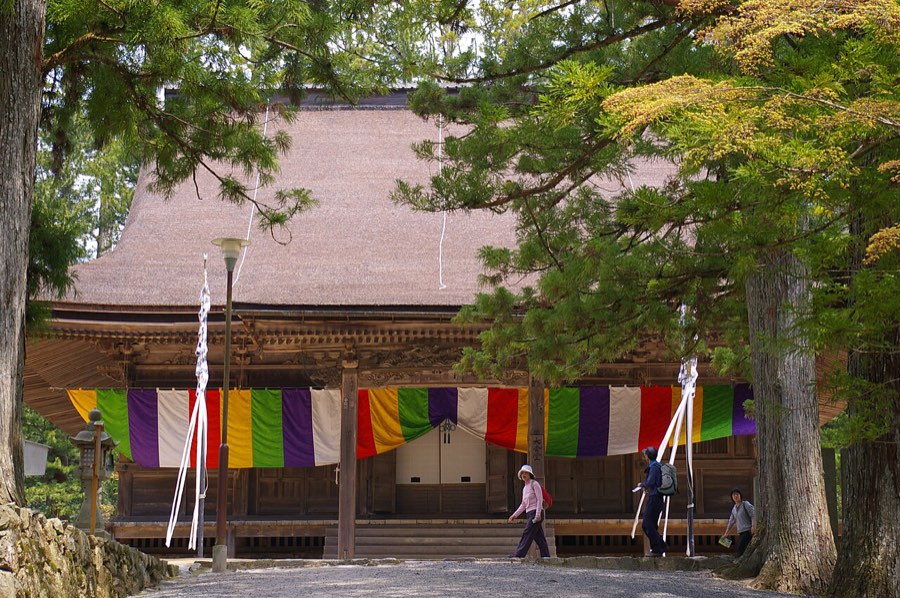
Kongobuji Temple: the head temple and the Banryutei rock garden
The headquarters of 3,600 Shingon temples: rooms with doors painted on gold leaf, a huge kitchen that fed 2,000 monks, and the Banryutei rock garden, one of the largest rock gardens in Japan, with 140 rocks that are two dragons in a sea of clouds. Admission is ¥1,000 and includes tea and a sweet in the guest hall, and this is your break for the day.
Walk to the red pagoda
Stop 5Sacred complexMust
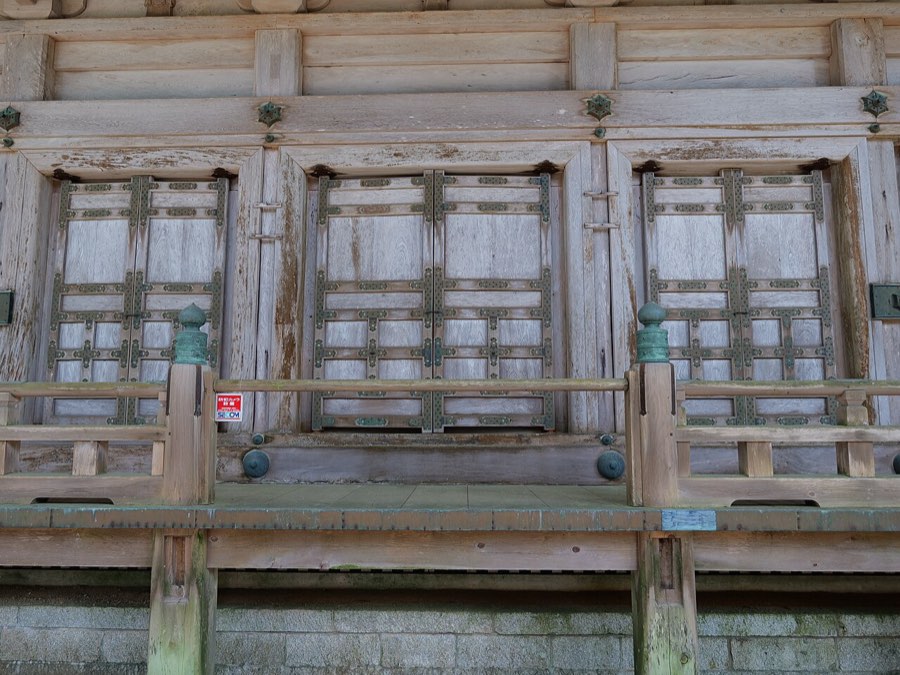
Danjo Garan: the Konpon Daito pagoda and the three-dimensional mandala
The complex Kobo Daishi planned in 816. In the center is a vermilion pagoda 48.5 meters tall, and inside it a mandala of statues and paintings on the pillars, ¥500. The Kondo hall costs another ¥500, and the grounds of the complex are free. Around it is the pine tree on which, according to legend, the ritual object Kobo Daishi threw from China landed. From there you continue to the sunset.
On to the Daimon Gate
Stop 6GateRecommended
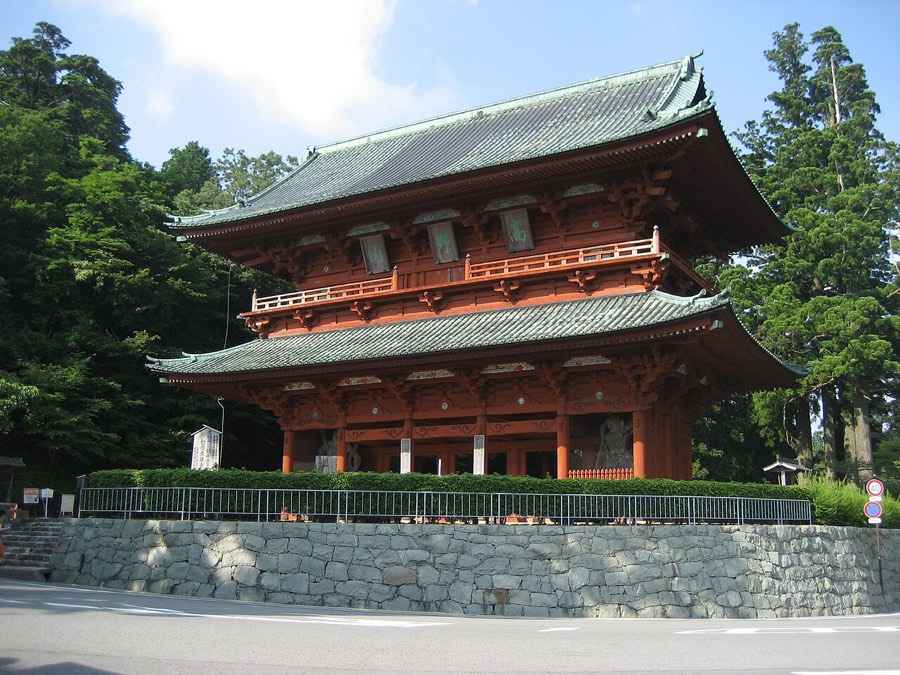
Daimon Gate: the great gate and the sunset viewpoint
The main gate, 25 meters tall, at the western edge of the town, with a viewpoint over the mountains at sunset beside it. Free. If you are sleeping at a monastery, go back from there for the evening ceremony and dinner.
Back to the monastery or the cable car
Stop 7Stay or returnRecommended
Eko-in: a night in a monastery (shukubo), or cable car and train to Osaka
You finish with a night in a monastery, a shukubo, ¥15,000 to ¥25,000 per person with dinner and breakfast. In the morning, prayer at 06:00 with the monks. In the evening there is a night tour of Okunoin in English, with lanterns. If you are going back to Osaka, take the cable car and the train and reach Namba by 22:00, for okonomiyaki in Dotonbori.
Want to build your own trip, day by day?
JourneySketch is a trip planner we built: a plan for each day, flights, hotels and a packing list, all in one place. No signup needed.
More in the same area
Full day · Osaka
Osaka in one day: the castle, Kuromon Market, Shinsekai and Dotonbori at night
Full day · Osaka, Umeda
Osaka, day two: Nakanoshima, Shinsaibashi, Umeda Sky at sunset and a rooftop bar
Full day · Kobe
Kobe: the herb garden by ropeway, the foreigners' houses of Kitano, Chinatown and Kobe beef
Full day · Osaka, Universal City
Universal Studios Japan: Nintendo World, Harry Potter and the Minions, in the right order
Walks and hikes · Wakayama, Nachi-Katsuura
Kumano Kodo: the Daimon-zaka steps, Nachi shrine and Japan's tallest waterfall
Day trip · Himeji
Day trip to Himeji: Mount Shosha, the Koko-en gardens and the White Heron Castle
Written as a draft and verified by hand against official sources. Opening hours and prices change, so check before you go.