The Tokyo Station Hotel
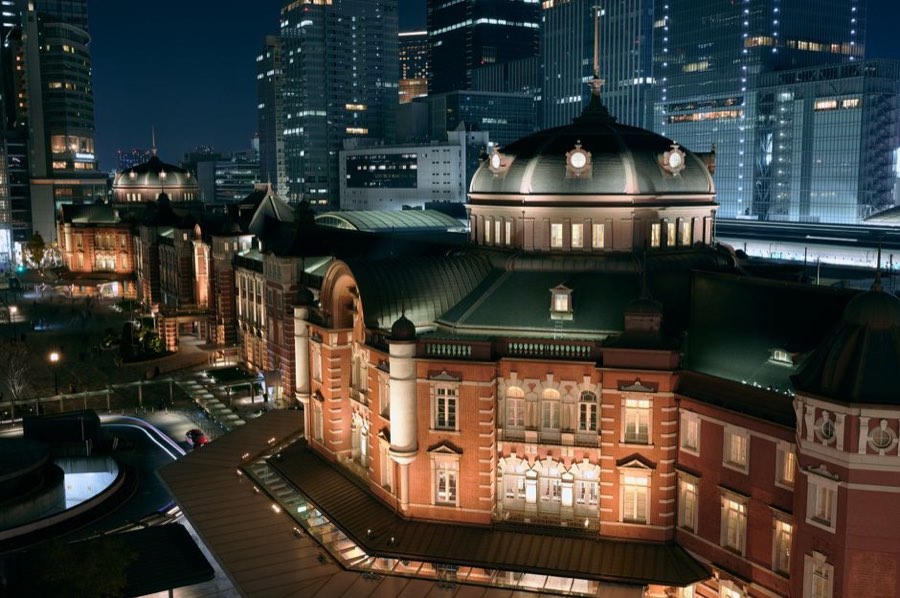
A red-brick palace from 1915 inside the Tokyo Station building itself. You can get off the Shinkansen and reach your room without going outside, and that is its real advantage.
Photo: Han Sen / Pexels
Tokyo Metropole & Greater Kanto
A red-brick palace from 1915 inside the Tokyo Station building itself. You can get off the Shinkansen and reach your room without going outside, and that is its real advantage.
Photo: Han Sen / Pexels
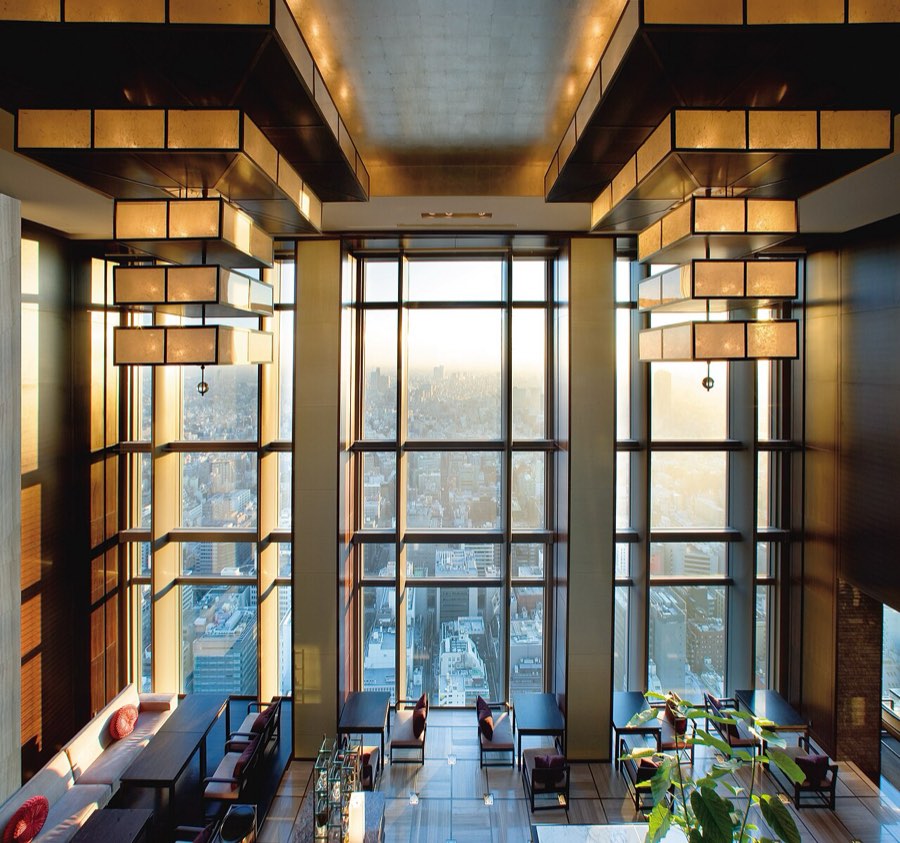
A skyscraper in Nihonbashi with an open view over the city. The lobby is on floor 38, and in the lounge next to it you can sit for coffee facing the view even if you are not staying.
Photo: Wpcpey / Wikimedia Commons (CC BY 4.0)
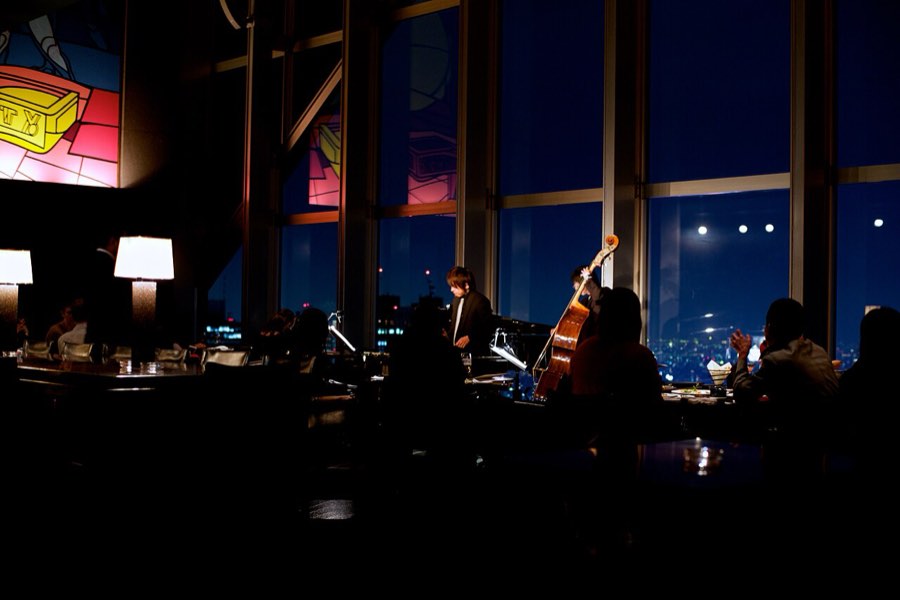
The hotel from 'Lost in Translation', on the top floors of a tower in Shinjuku. The New York Bar is on floor 52. Its street is quiet, so this is Shinjuku without the noise.
Photo: Jun Seita from Palo Alto, CA, U.S. / Wikimedia Commons (CC BY 2.0)
Tokyo · Tattoos
A city onsen open 24 hours, a two-minute walk from Shinjuku-sanchome Station, and according to the site the water is natural spring water from central Izu. ¥3,100 Monday to Thursday and ¥3,200 on Friday, weekends and holidays, and between midnight and 06:00 there is a surcharge of ¥2,000 to ¥2,300. This is the place where you should check the tattoo rules before you come: a man with a tattoo, Japanese or a resident of Japan, does not get in at all; a foreign tourist does get in with the venue's sticker and a passport; and a woman is allowed a fashion tattoo, and above 30 by 30 centimeters she needs a sticker for ¥330.
Tokyo · Sushi
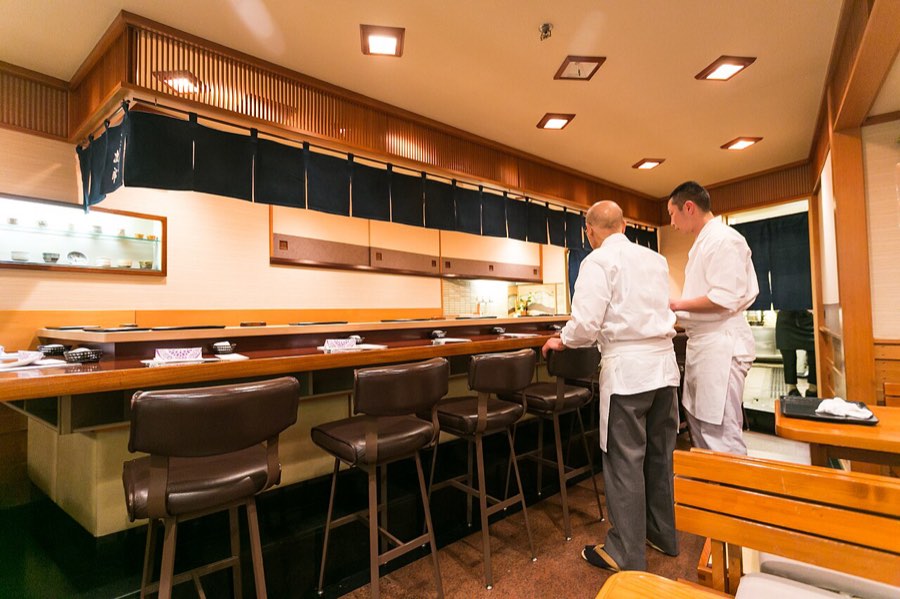
Omakase sushi in a basement in Ginza 4-chome. Booking is by phone only, and visitors from abroad book only through their hotel concierge. Photo ID is checked at the door, and the price is not published.
Photo: City Foodsters / Wikimedia Commons (CC BY 2.0)
Tokyo · Tasting menu
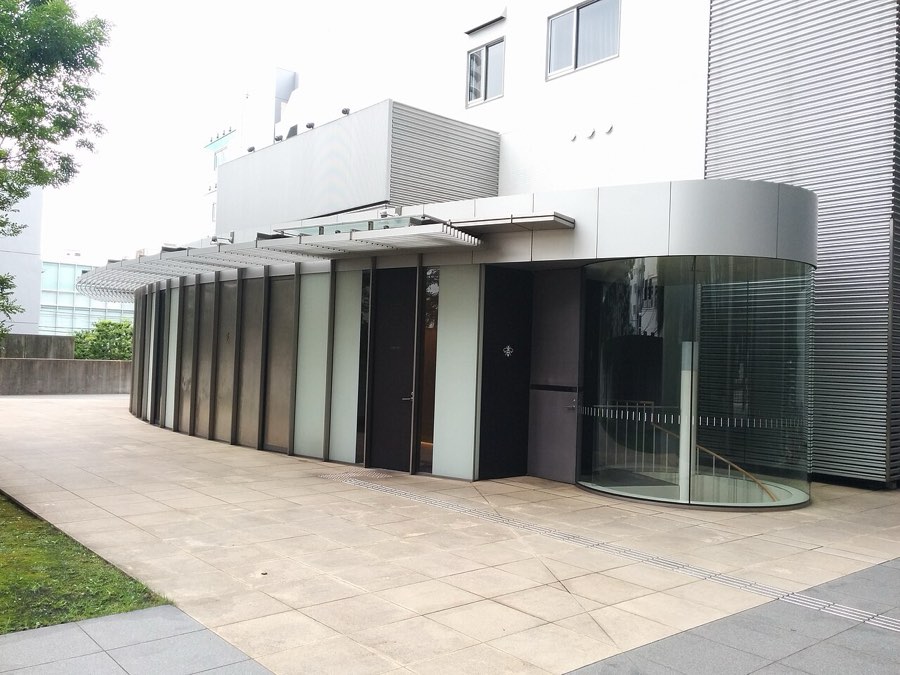
A tasting-menu restaurant in Aoyama that joins contemporary technique with seasonal Japanese ingredients. A choice for a special evening, not for a spontaneous meal in the middle of a route.
Photo: Pocsywe / Wikimedia Commons (CC BY-SA 4.0)
Tokyo · Michelin
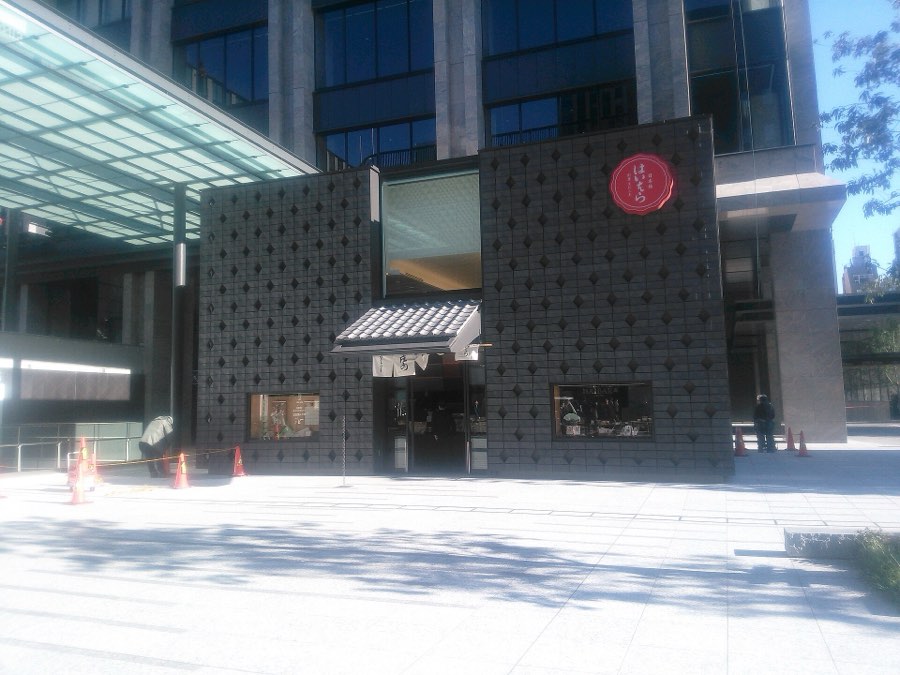
Chef Zaiyu Hasegawa's restaurant in Jingumae, two Michelin stars, Japanese cuisine with humor and one menu that changes daily. Booking by phone only, up to two months ahead. Not kosher.
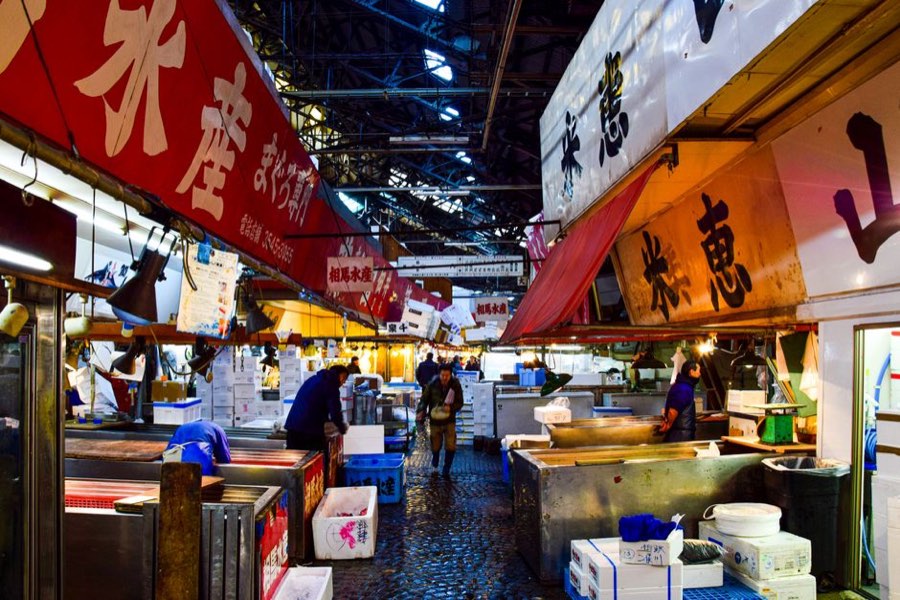
A ninety-year-old market street, full of sashimi bowls, grilled eel and tamago omelets. The inner market moved to Toyosu, but the outer one stayed, and this is the part that is fun to eat in. Come in the morning.
Photo: AXP Photography / Pexels
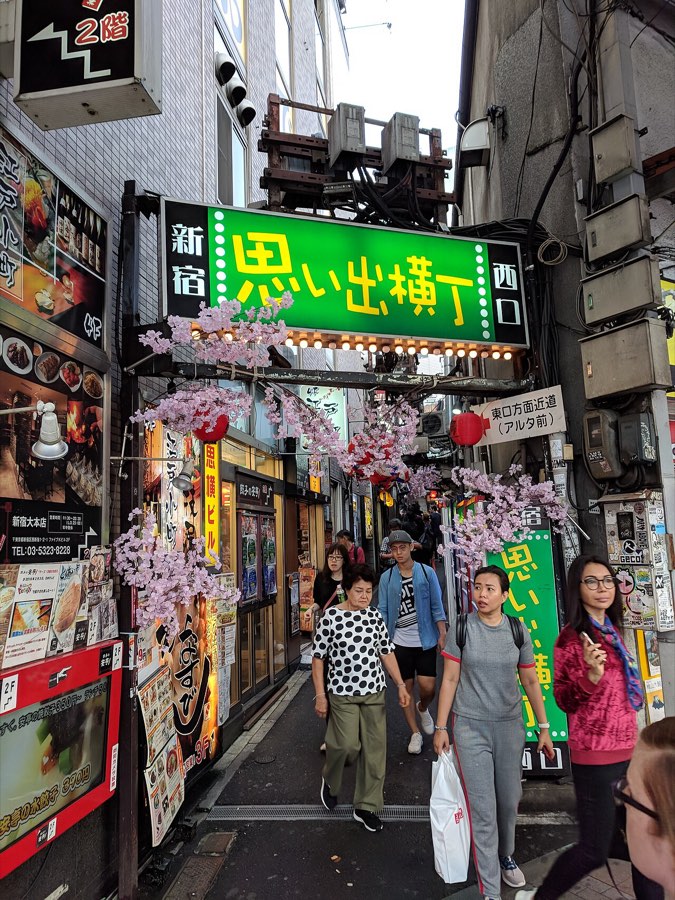
Narrow alleys at the west exit of Shinjuku Station, with about 80 businesses, around 60 of them places to eat and drink, most serving yakitori or motsuyaki (offal skewers). Some charge a seat fee and many take cash only. Not kosher.
Photo: Grendelkhan / Wikimedia Commons (CC BY-SA 4.0)
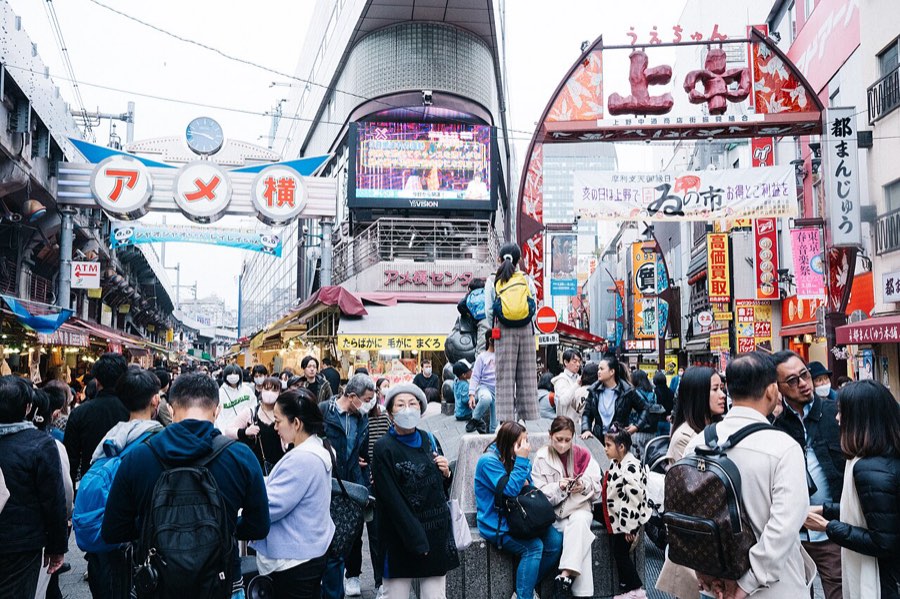
A market that rose after the war under the railway tracks in Ueno: street snacks, dried seafood and cheap clothes. Bustling, cheap and unpolished.
Photo: Dick Thomas Johnson from Tokyo, Japan / Wikimedia Commons (CC BY 2.0)
Tokyo · Kosher groceries
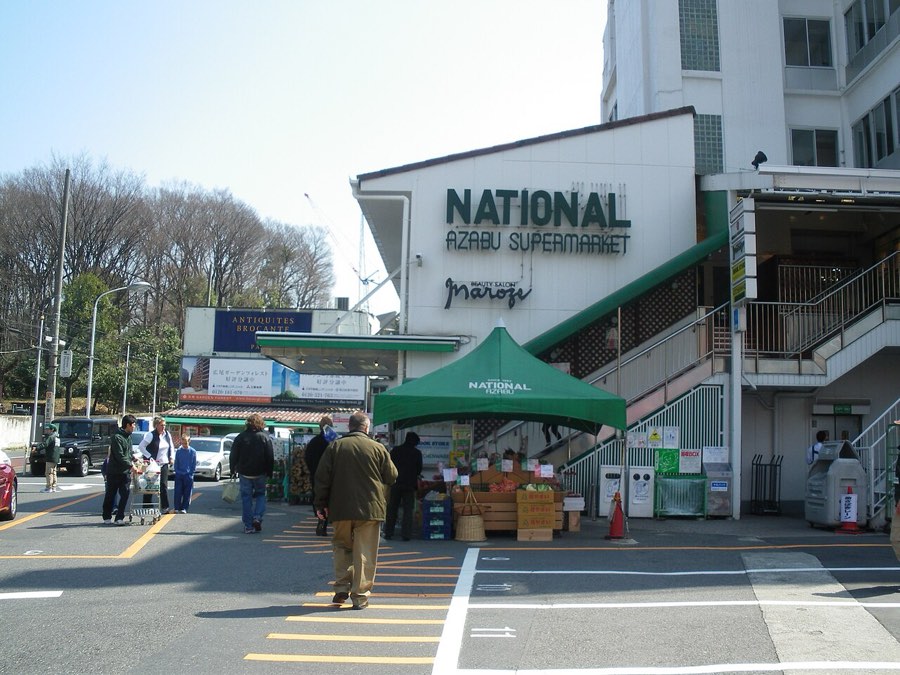
An international supermarket in Tokyo that stocks a range of imported products, sometimes including products with a kosher certification. It is not a kosher supermarket, so check the kosher mark on each product separately.
Price checked October 2026
Photo: Masayuki (Yuki) Kawagishi / Wikimedia Commons (CC BY 2.0)
Tokyo · Certified kosher
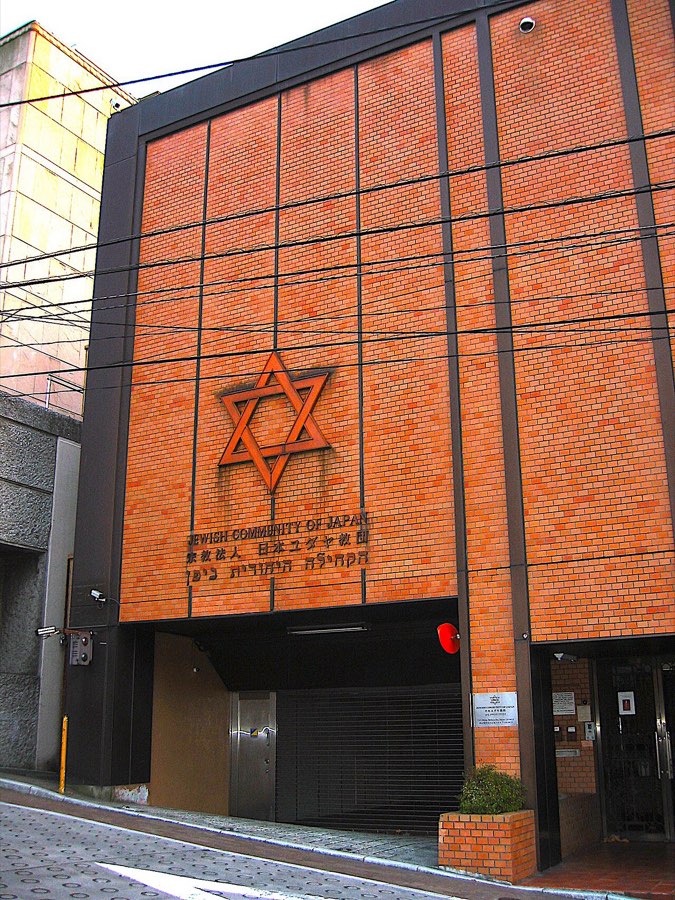
The community synagogue in Hiroo: a mikveh, a library and a meat kosher kitchen. Friday night dinner for guests by sign-up on the website until Wednesday at 14:00, and after that with a ¥1,000 surcharge. You can also order challah for pick-up on Friday.
Price checked October 2026
Photo: Abasaa / Wikimedia Commons (Public domain)
Tokyo · Certified kosher
Tokyo's kosher restaurant since May 2025, in place of Chana's Place, which closed: shakshuka, schnitzel, hummus, falafel and shawarma, glatt kosher certified by Japan Kosher Services according to the restaurant (in 2025 the supervision was reported as that of the chief rabbi of Chabad Tokyo). At Mita 5-13-13 in Minato, about seven minutes on foot from the Chabad house. Sunday to Thursday 11:00 to 15:00 and 17:00 to 22:00, Friday 11:00 to 15:00, closed on Shabbat. There is also delivery through the website or Uber Eats, for orders placed by 18:00.
Price checked October 2026
Photo: Kentin / Wikimedia Commons (CC BY-SA 4.0)
Garden · Tokyo, Ginza
A garden of the shogun's family from the 17th century, surrounded by skyscrapers.
Experience · Tokyo, Akihabara
If you did not go back to the hotel, carry on here.
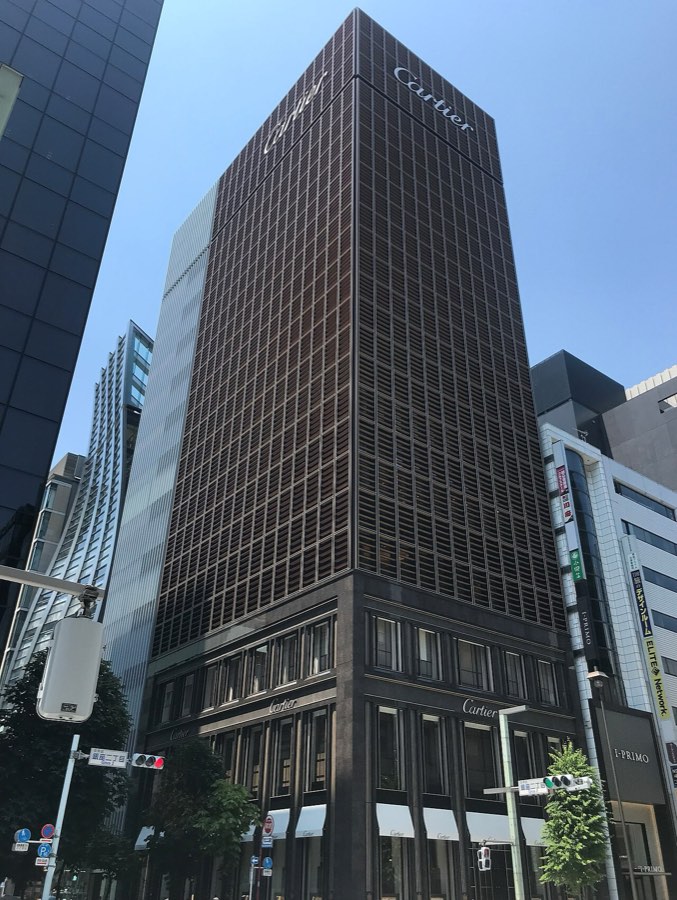
One of the best collections in Japan of pre-owned luxury items, run by Geo Corporation. It is Ginza, so both the crowd and the prices are Ginza's.
Photo: Beryllium Transistor / Wikimedia Commons (CC BY-SA 4.0)
A mecca of luxury vintage in Tokyo: Chanel, Hermès and Dior in a quantity that is hard to find in one place. The prices are high, but the items are authentic and checked. In the Omotesando area.
A three-floor secondhand luxury store: the basement is all Hermès, and the floors above carry Chanel, Louis Vuitton, Rolex, Cartier and more. Tax-free, and no bargaining.
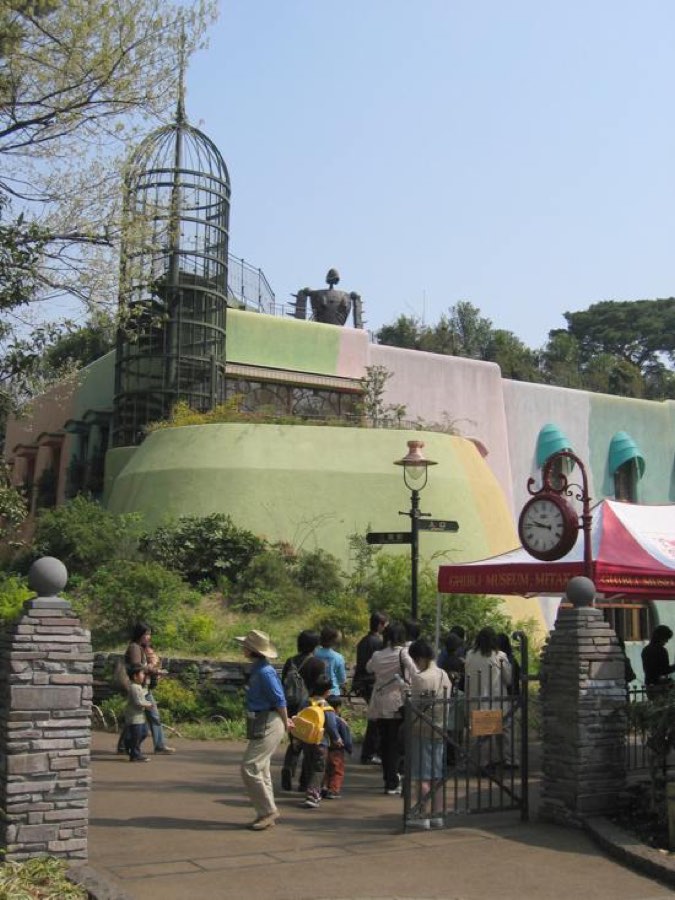
In Mitaka, about thirty minutes from Shinjuku. Original sketches, a Catbus playroom and the giant robot on the roof. Entry is only by advance booking for an exact date and time, and there is no ticket office on site.
Photo: Fotointheworld / Wikimedia Commons (CC BY 4.0)
An open-air park in Koganei with historic buildings that were moved here, among them a bathhouse and a row of shops that many guides link to Spirited Away, without official confirmation. Miyazaki designed the museum's mascot. Less crowded than the Ghibli Museum, and advance booking is not required.
Photo: lumoplank / Wikimedia Commons (CC0)
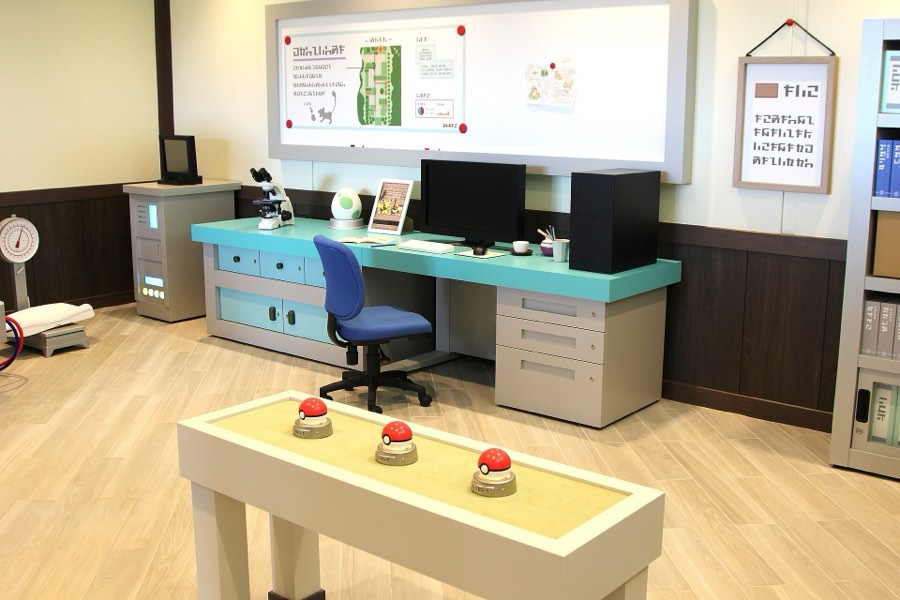
A permanent Pokémon park inside Yomiuriland in Inagi, with Pokémon Forest and Sedge Town. It opened in 2026 and requires booking a ticket in advance. Since 1 November 2026 every visitor must show an original photo ID at the entrance, matched against the details registered at purchase, and a mismatch can mean no entry. For tourists that means the passport.
Photo: ぶい133 / Wikimedia Commons (CC BY 4.0)
Books · Tokyo, Akihabara
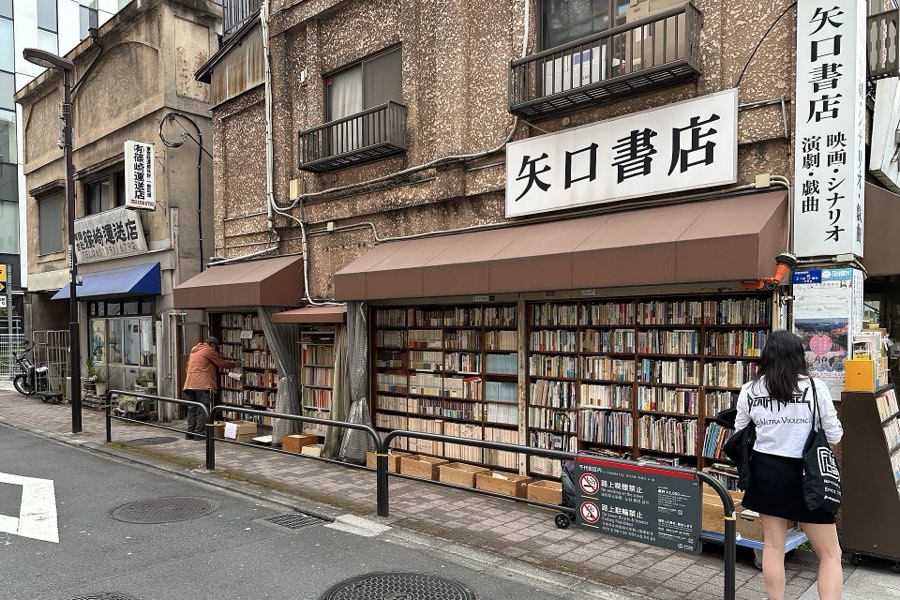
About 130 bookshops, most of them secondhand: ukiyo-e prints, old maps, vintage manga, art books.
Photo: Olaf2 / Wikimedia Commons (CC BY-SA 4.0)
Anime shopping · Tokyo, Akihabara
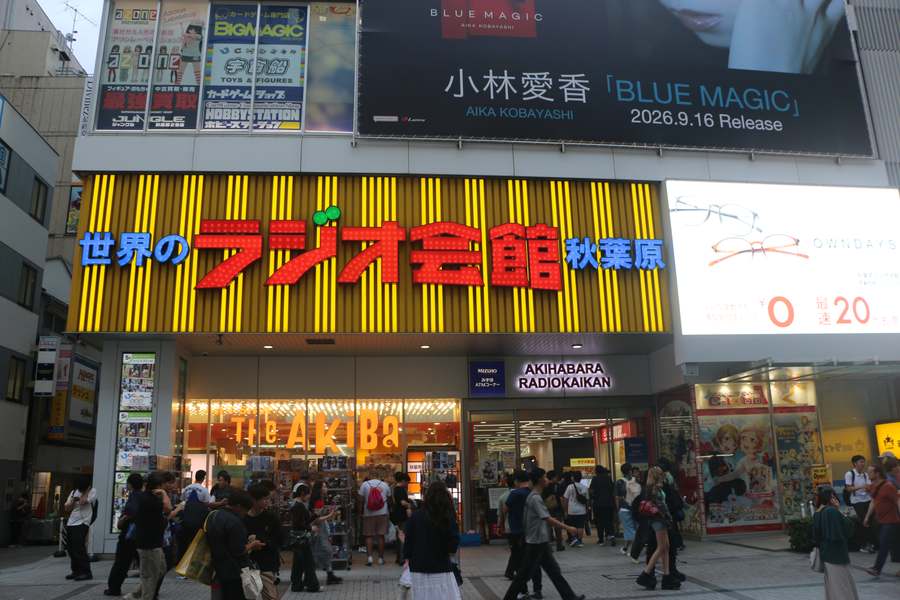
10 floors of figure and card shops (K-Books, Kaiyodo) in the Radio Kaikan building, and around it: Animate (mostly character goods), Mandara
Our own photo, September 2026
Retro gaming · Tokyo, Akihabara
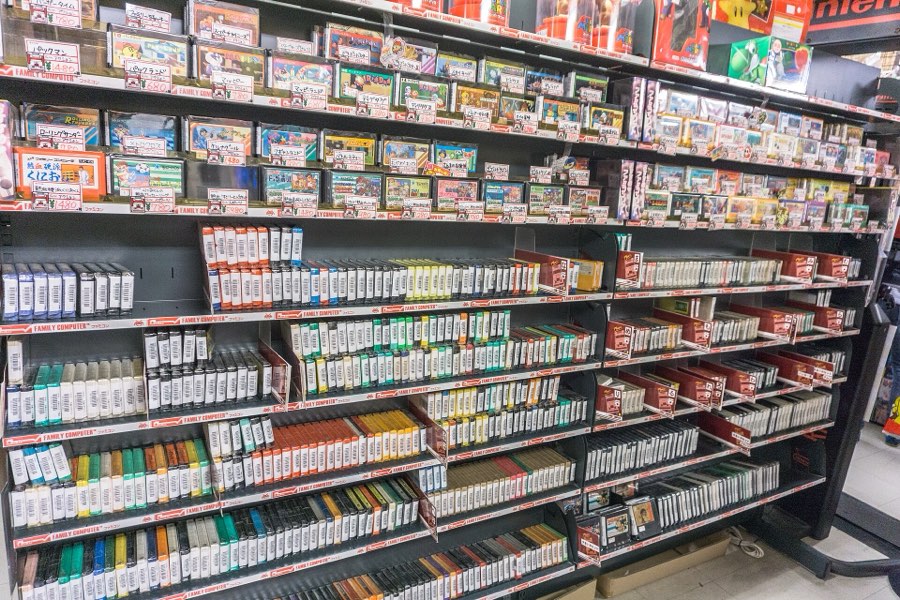
Two floors of consoles and games from the 80s and 90s (Famicom, Game Boy, Sega), and on the floor above them a retro arcade, from ¥100 a gam
Photo: IQRemix / Wikimedia Commons (CC BY-SA 2.0)
Tokyo · Paper and stationery
A paper house founded in 1806 that sells washi paper, small envelopes and postcards in the house's own designs. A pad for short letters with illustrations by the artist Takehisa Yumeji costs ¥660, and a pack of five small gift envelopes (pochi-bukuro) ¥495. The shop is above exit B6 of Nihonbashi Station, and is open on weekdays 10:00 to 18:30 and on weekends until 17:30. It is closed on Japan's national holidays.
Price checked September 2026
Photo: 妖精書士 / Wikimedia Commons (CC BY-SA 4.0)
Tokyo · Paper and stationery
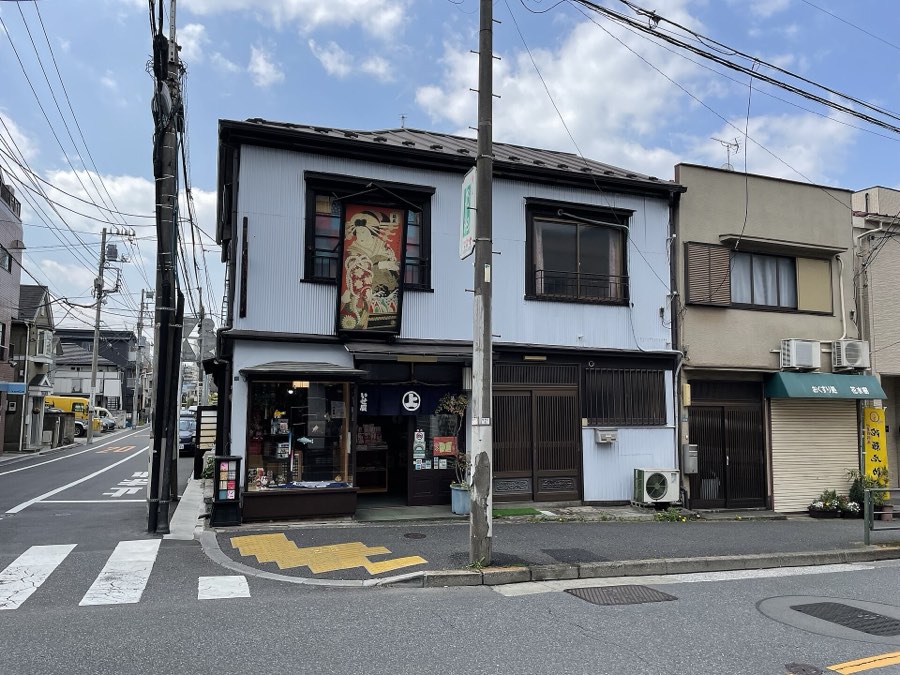
A publisher of chiyogami paper, paper decorated with traditional Japanese patterns, founded in 1864. A pack of 30 sheets measuring 12 by 12 cm, ten patterns in three copies each, costs ¥1,155 in the official online shop, and you cannot choose the patterns. The shop also has envelopes, fans and paper toys. It is open every day, about a five-minute walk from the Dangozaka exit of Sendagi Station.
Price checked September 2026
Photo: Higa4 / Wikimedia Commons (CC0)
Tokyo · Incense
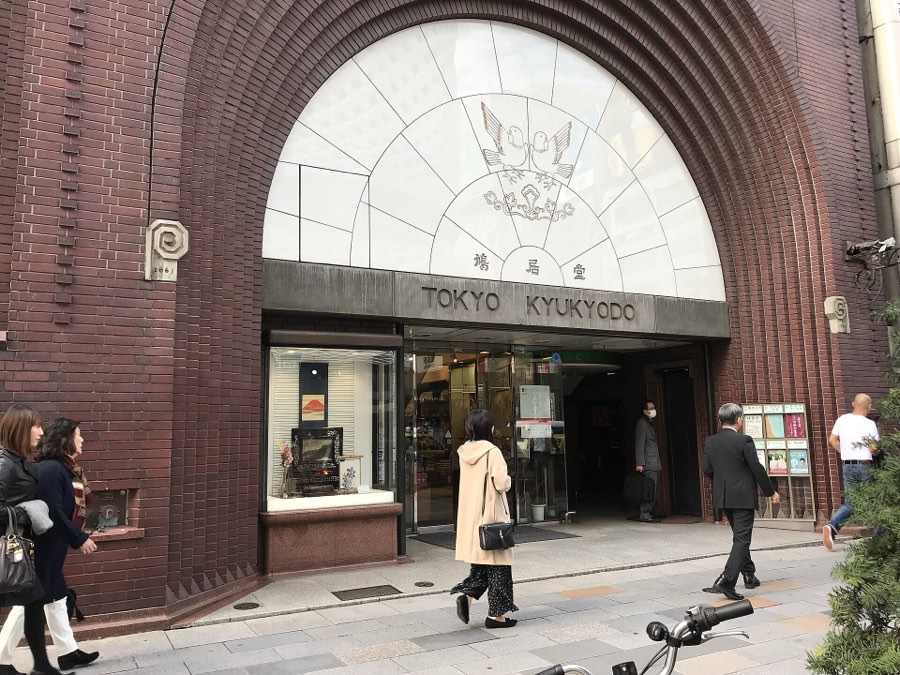
A house founded in 1663 in Kyoto as a medicinal-herb shop, which began making incense around 1700 and has been in Ginza since 1880. Today it specializes in incense, letter paper, postcards, envelopes for gift money and calligraphy tools. A box of incense sticks starts at about ¥825, and small scent sachets for the wardrobe from ¥176. The main branch in Ginza is open every day 11:00 to 19:00, except 1 to 3 January.
Price checked October 2026
Photo: gonzo honma / Wikimedia Commons (CC BY 2.0)
Asakusa · Temple
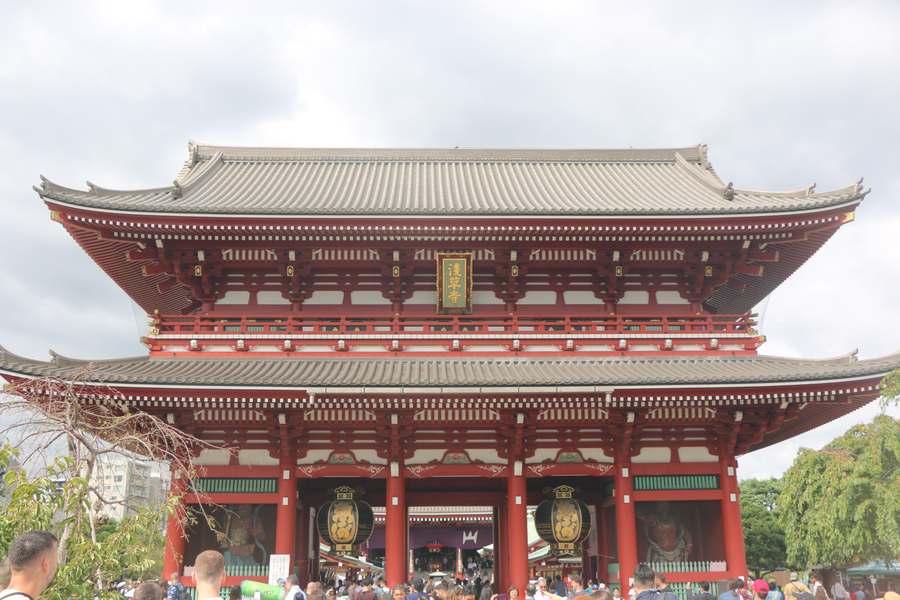
The ancient temple in Asakusa. Entry to the grounds and to the main hall is free, including the Kaminarimon gate and Nakamise street. Arrive before 08:00 to see it ahead of the groups, or after 20:00 when it is lit and empty.
Price checked November 2026
Our own photo, September 2026
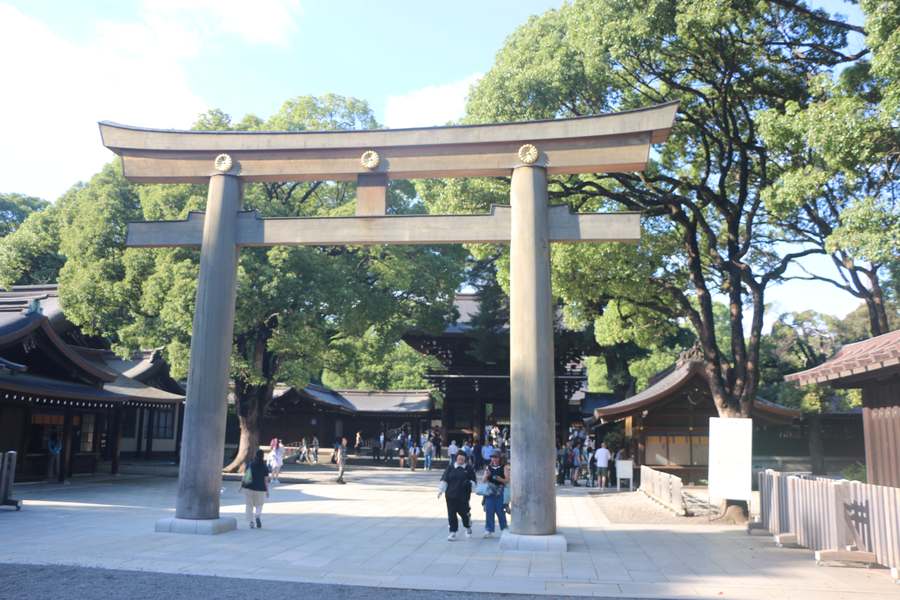
Harajuku · Shrine
Tokyo's great Shinto shrine, inside a planted forest of 100 thousand trees. Entry to the shrine is free. The inner garden (Meiji Jingu Gyoen), which is especially beautiful in June with the irises, costs ¥500 separately.
Price checked September 2026
Our own photo, September 2026
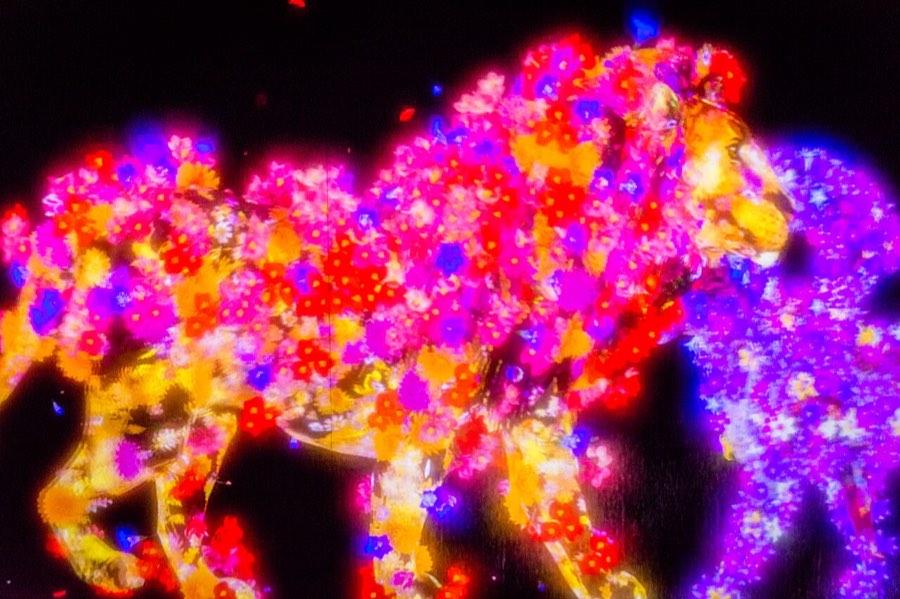
Azabudai · Digital art
The digital art museum at Azabudai Hills. Dynamic pricing: from ¥3,400, depending on the day and time, and ¥200 more at the door. You must book in advance, weekends sell out days ahead. There is no map, you wander and discover.
Price checked November 2026
Photo: Domenico Convertini from Zurich, Schweiz / Wikimedia Commons (CC BY-SA 2.0)
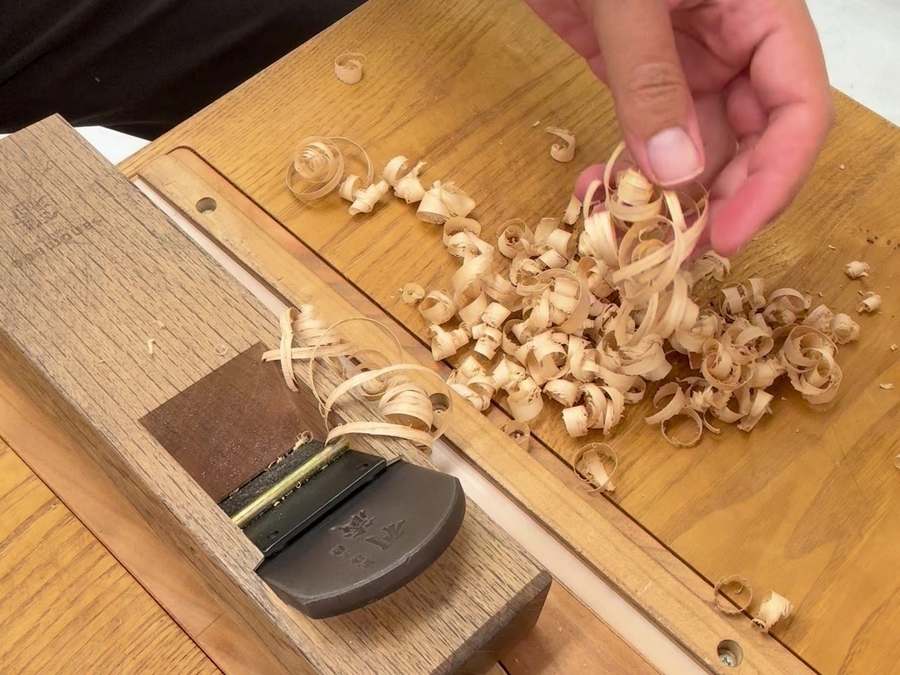
Tokyo · Craft
You pick a wood from more than 20 kinds, set it in a jig and shape it with a Japanese hand plane, sand it and oil it, and take the chopsticks home the same day. It takes about an hour and costs from ¥3,980, and some woods cost more. Name engraving is an extra ¥1,100 per side. The workshop is on the ground floor of the Kinokurashi wood shop, a minute's walk from exit 11 of Ginza-itchome Station, and is open 9:00 to 19:00 with last entry at 18:00. Staff guide you in English, and an online booking takes up to four people.
Price checked October 2026
Our own photo, September 2026
Tokyo · Food
You make sushi with an instructor, along with teriyaki fish and miso soup, and eat what you made. The class lasts two hours and costs ¥15,400, and with a guided tour of the Tsukiji outer market it lasts three hours and costs ¥17,600. The instruction is in English, and you pick a date from the class calendar on the website and pay in advance. The class without the tour is not offered on every date, and a cancellation in the last week is not refunded. The food is not kosher and is based on raw fish.
Price checked October 2026
Tokyo · Craft
In the traditional workshop you finish the repair of a broken vessel with natural lacquer (urushi) and 23K gold powder, on a vessel prepared in advance, because real lacquer needs days and weeks to dry. It lasts 90 minutes and costs ¥22,000, from age 13, and you take the vessel the same day in a drying box, collect it from the studio later, or have it shipped abroad for a fee. The kintsugi-style workshop, one hour at ¥6,600 from age 6, is a different thing: you make small items such as earrings or chopstick rests with epoxy and a brass finish, and do not repair a vessel. The studio has English-speaking staff, and there are also studios in Ebisu and Kyoto.
Price checked November 2026
More cities in the region